

Staphylococcus aureus
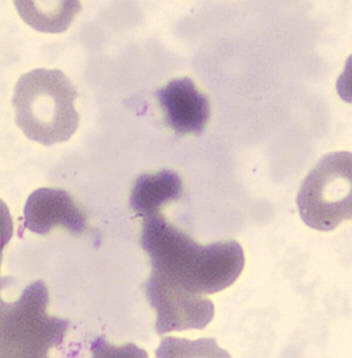
Staphylococcus aureus is a Gram-positive coccus that typically forms grape-like clusters. The bacterium frequently colonizes the skin and mucous membranes, particularly the nose, without causing symptoms. However, when skin or mucosal barriers are breached, S. aureus can cause a wide range of infections, from superficial skin infections and abscesses to pneumonia, osteomyelitis, endocarditis, and sepsis. Some strains produce specific toxins associated with, among other conditions, food poisoning, toxic shock syndrome, and staphylococcal scalded skin syndrome.
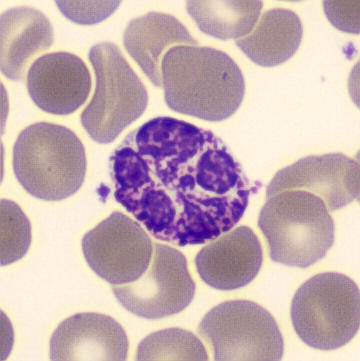
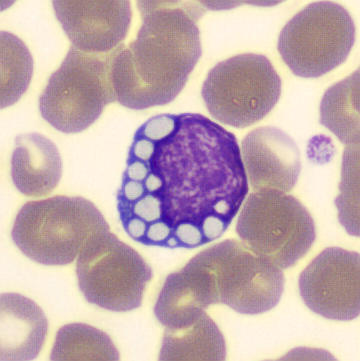
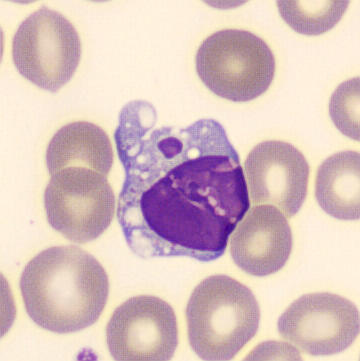
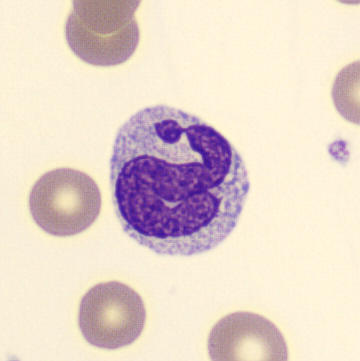
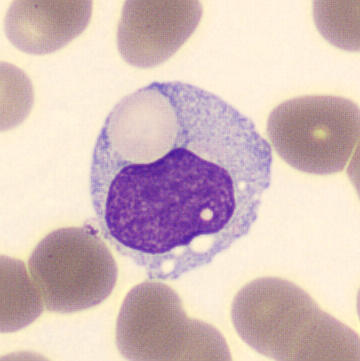
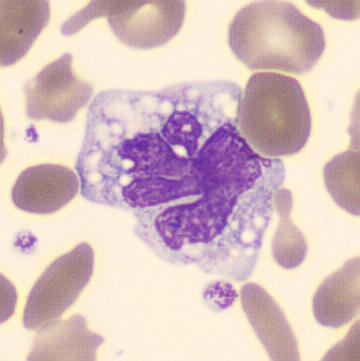
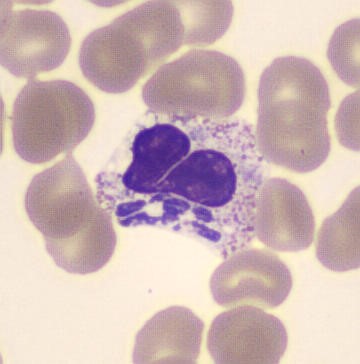
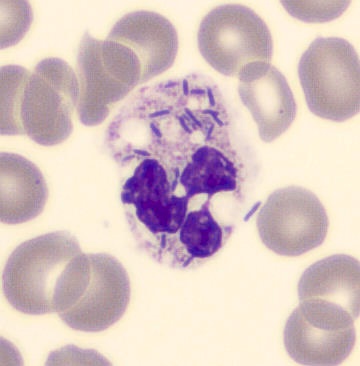
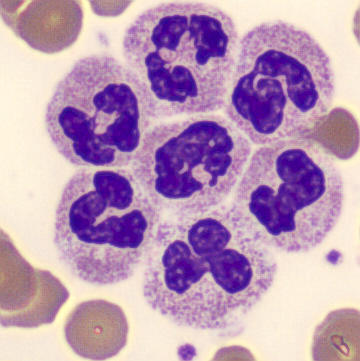
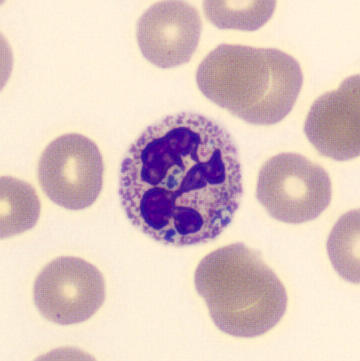
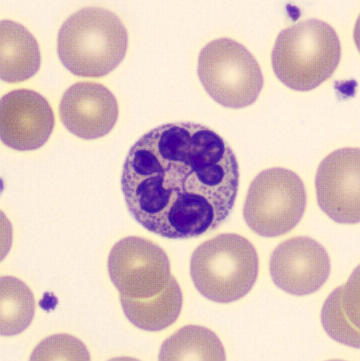
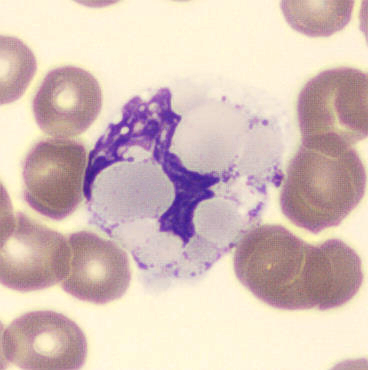
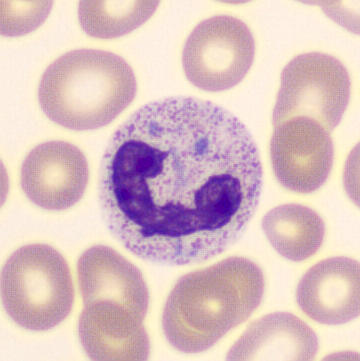
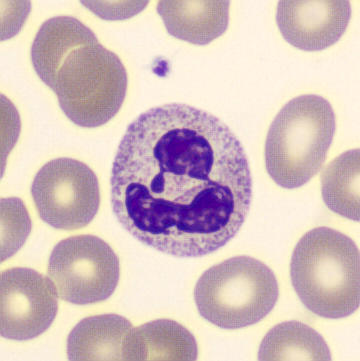
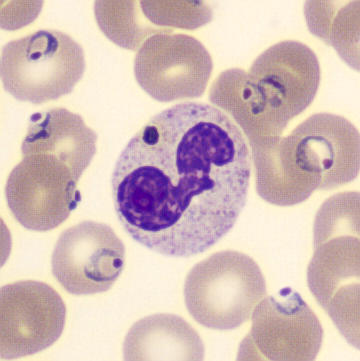
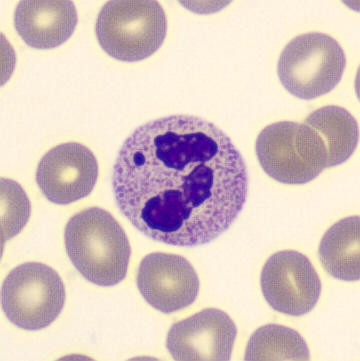
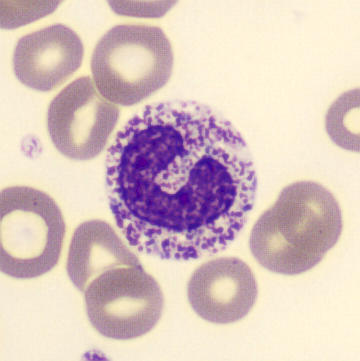
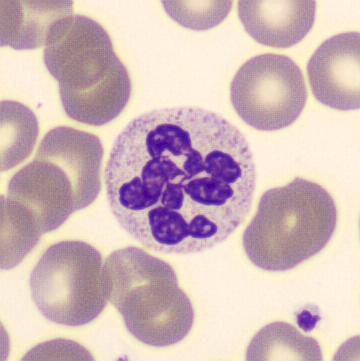
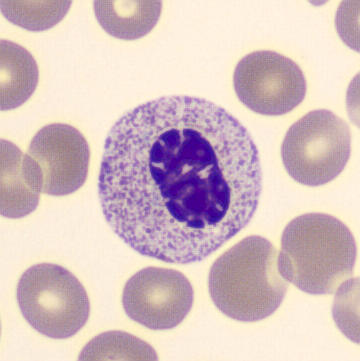
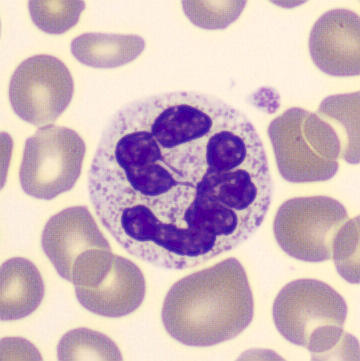
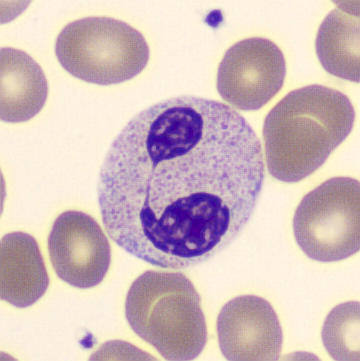
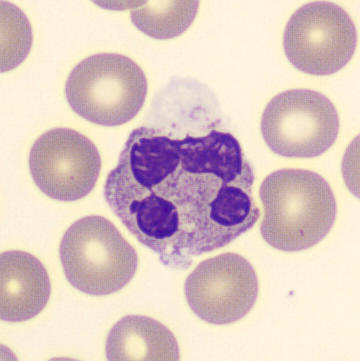
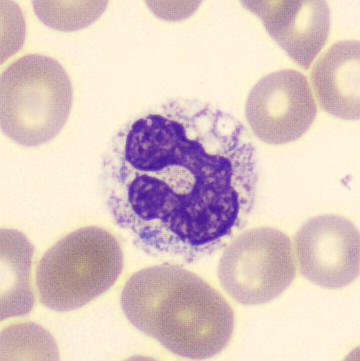
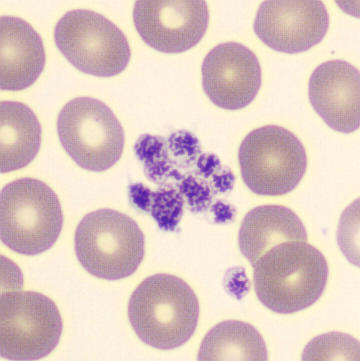
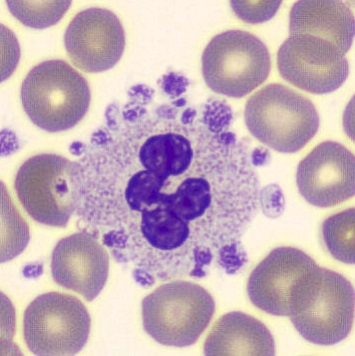
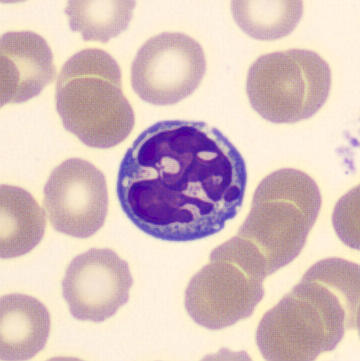
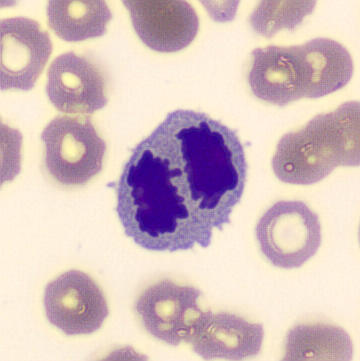
In the complete blood count, an infection may be accompanied by neutrophilia and a left shift. Neutrophils may exhibit toxic granulation, Döhle bodies, and vacuolization. In severe bacteremia, cocci may also be visible in the peripheral blood smear in exceptional cases, sometimes intracellularly within neutrophils.
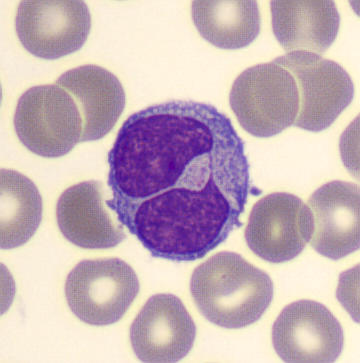
Neutrophils


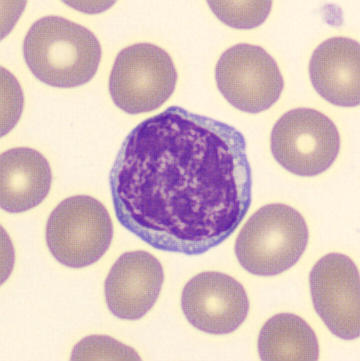
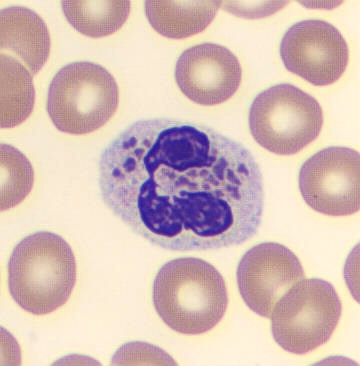
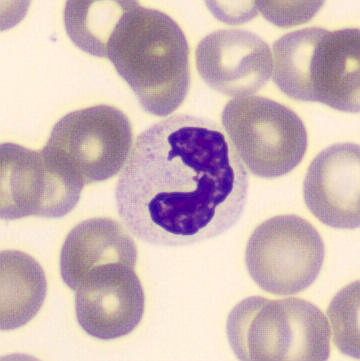
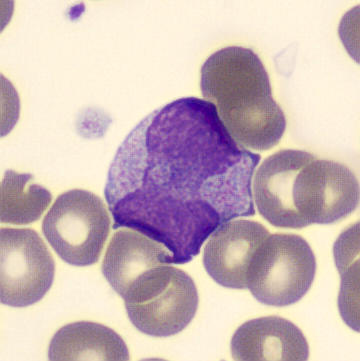
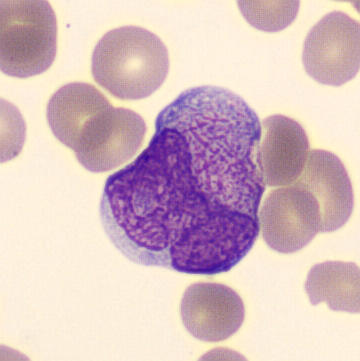
Monocytes