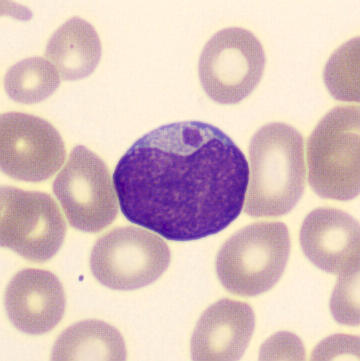
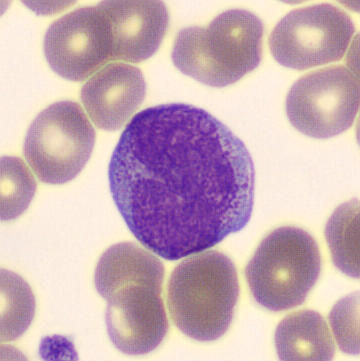
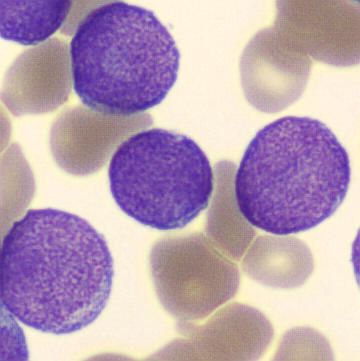
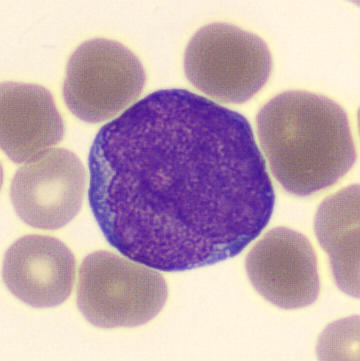
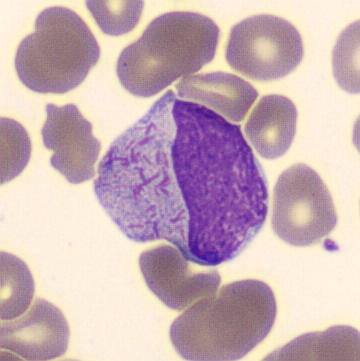
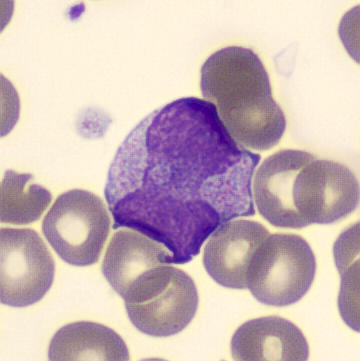
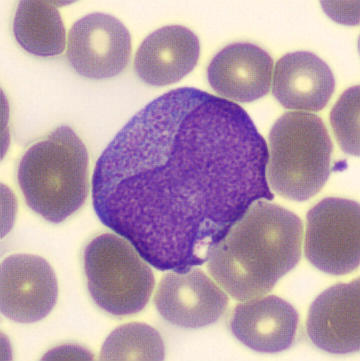
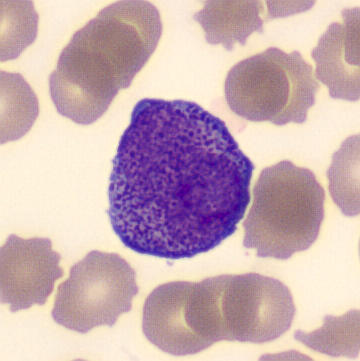
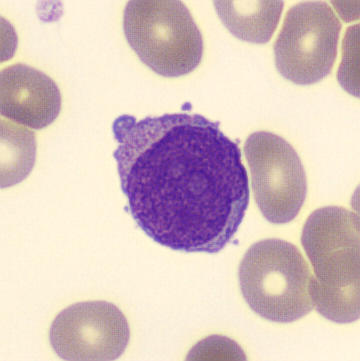
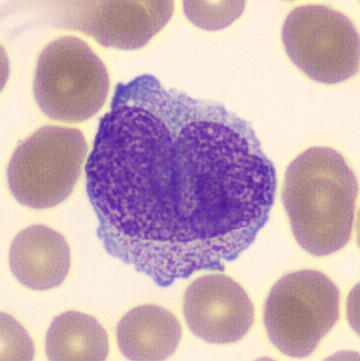
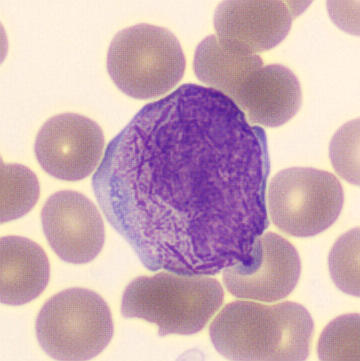
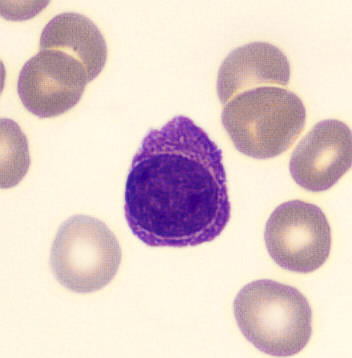
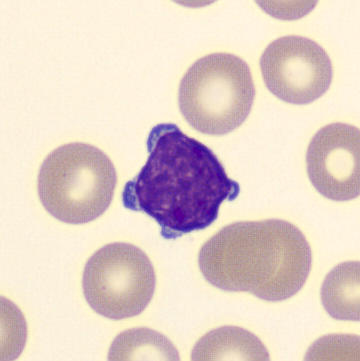
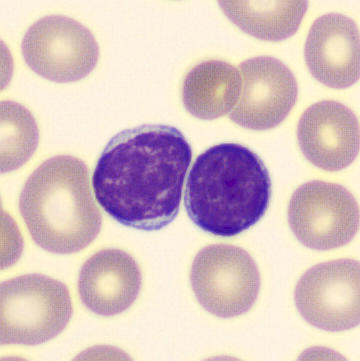
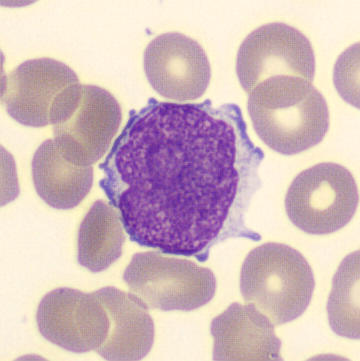

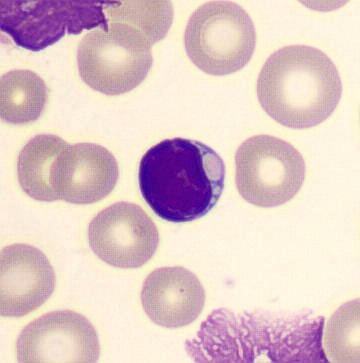
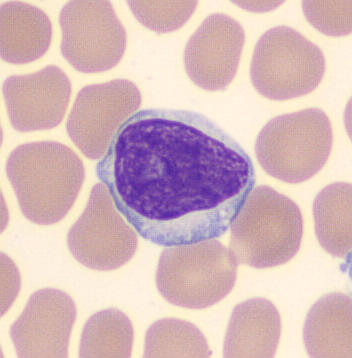
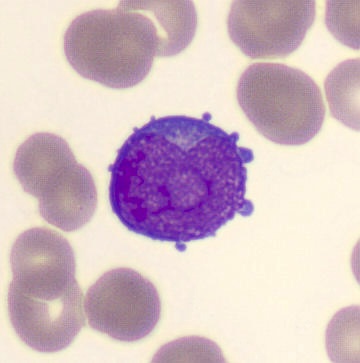
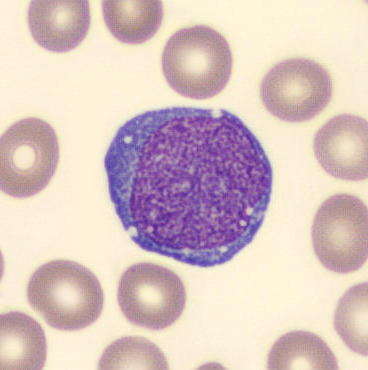
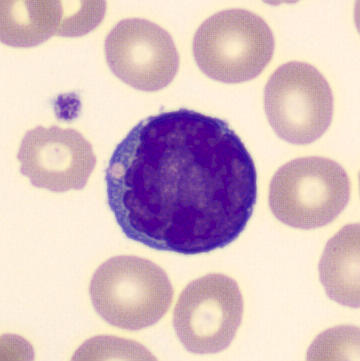
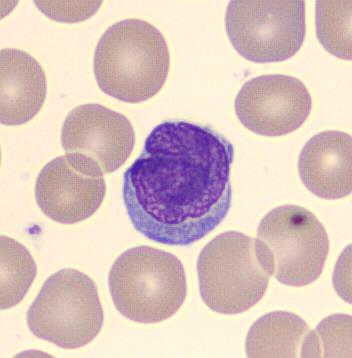

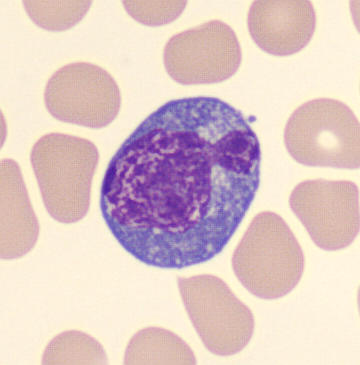
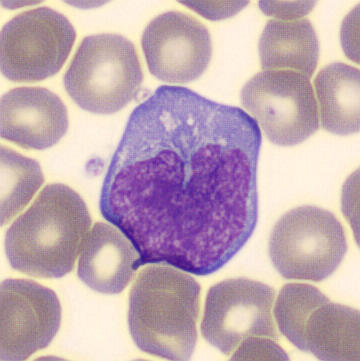
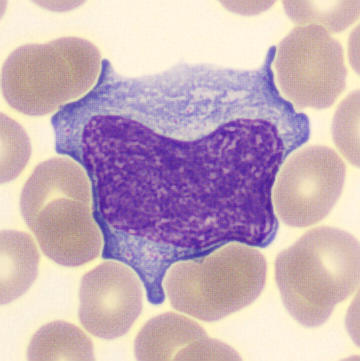
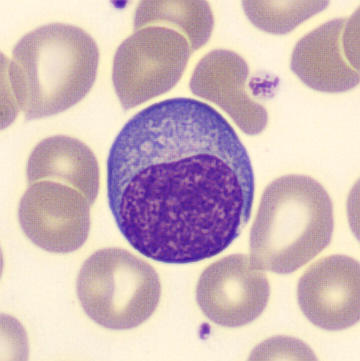

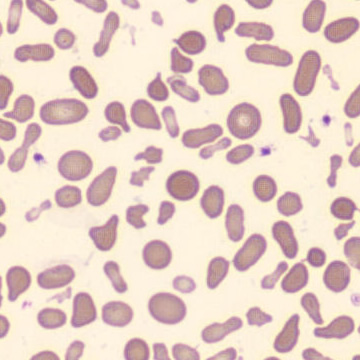
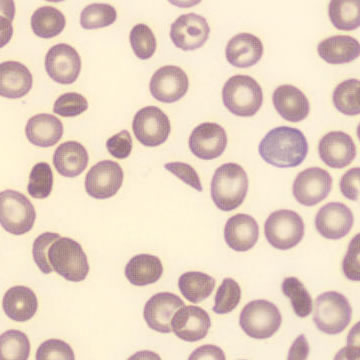
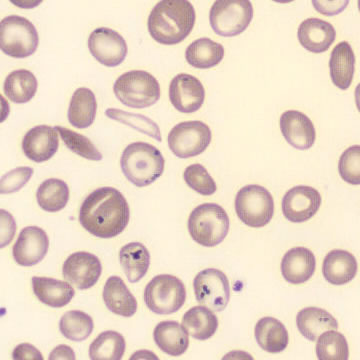
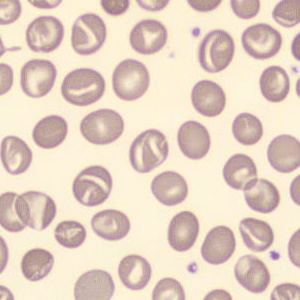
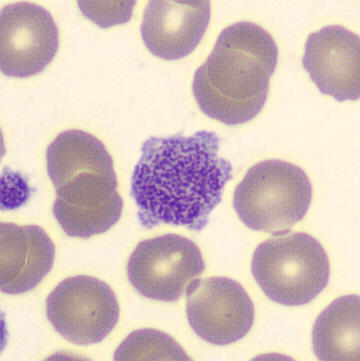
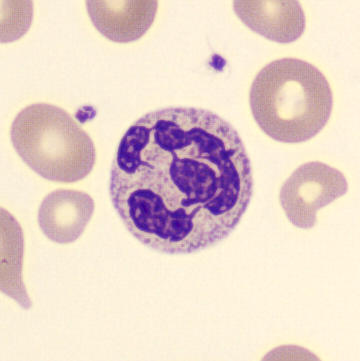

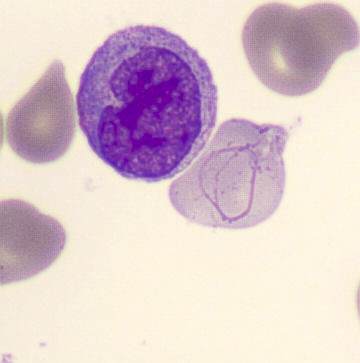
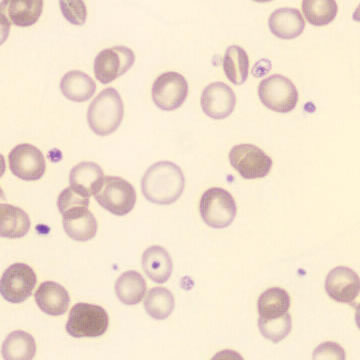
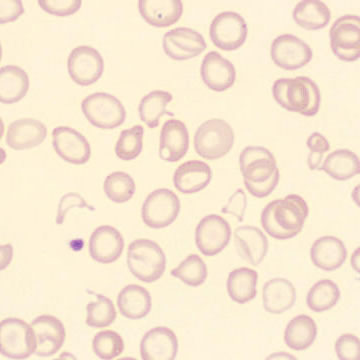
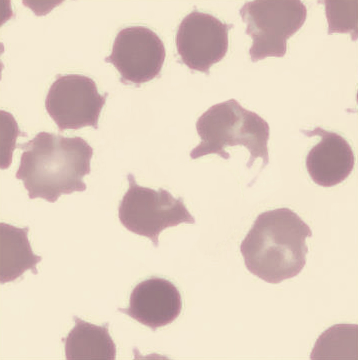

Sickle cell disease - Slide 1
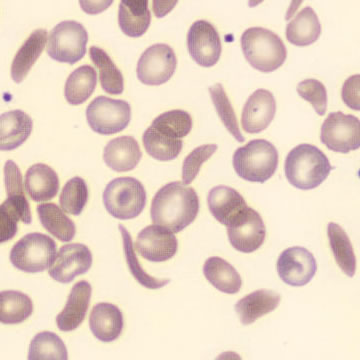
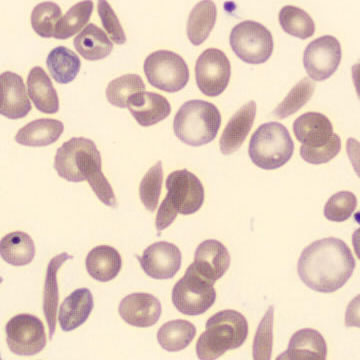
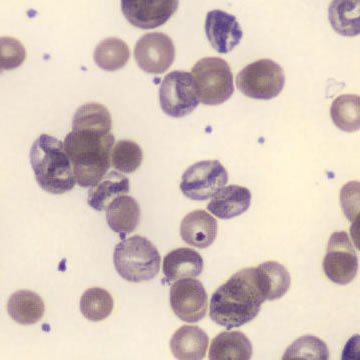
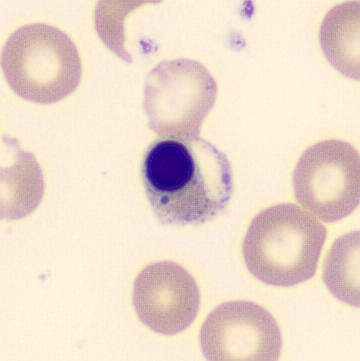
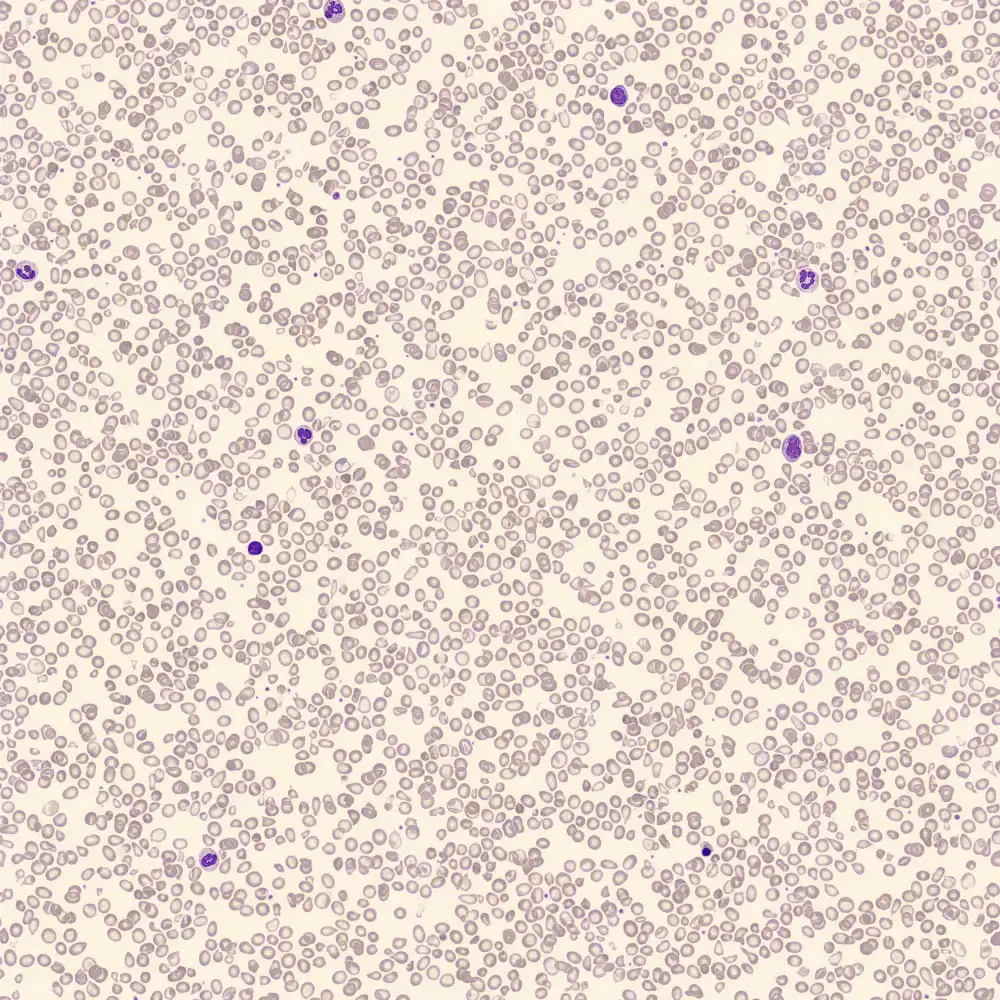
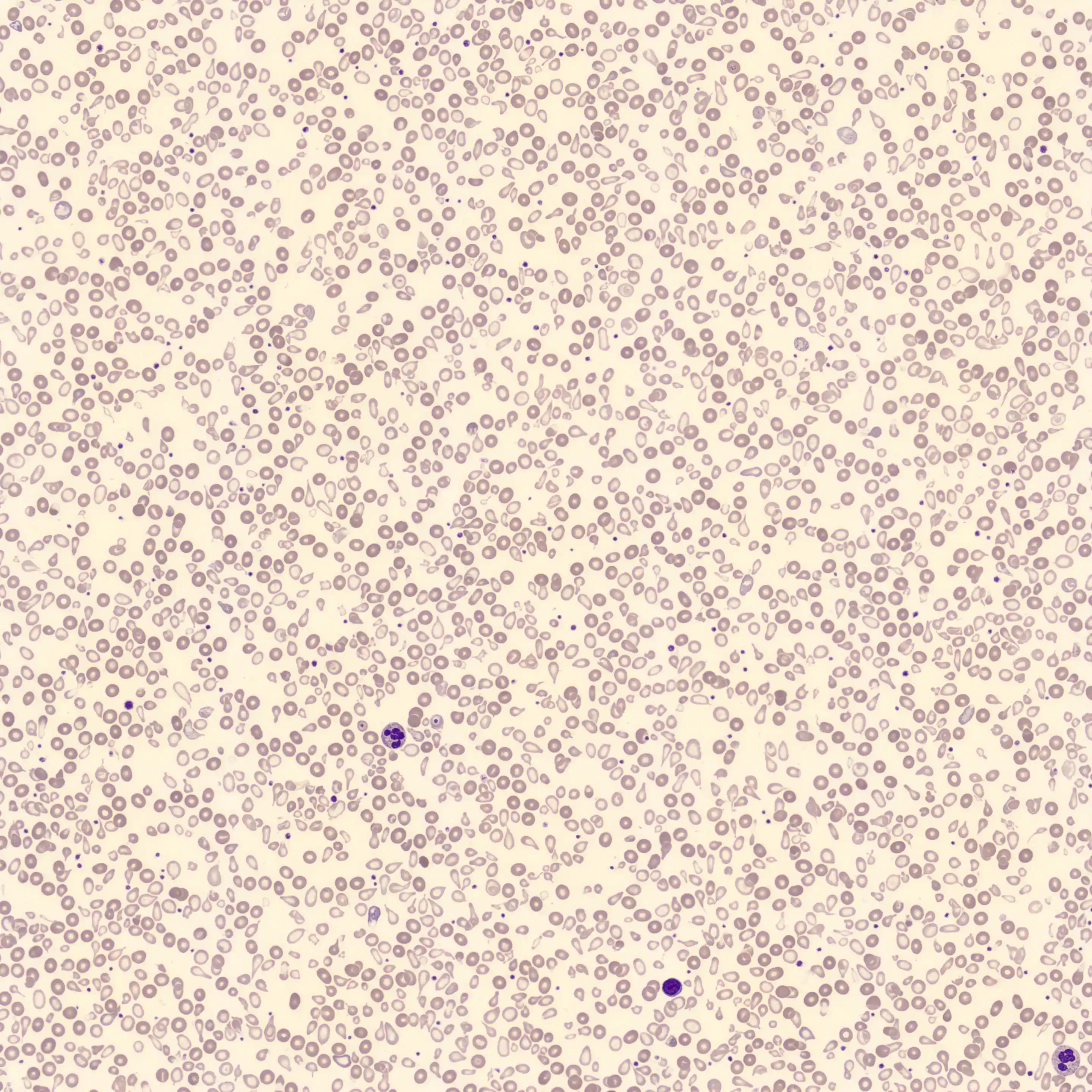
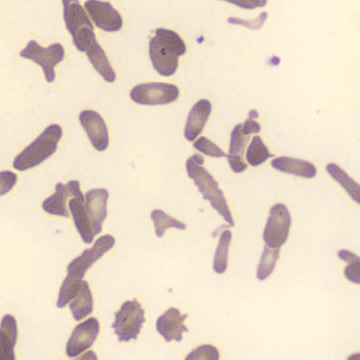
Sickle cell disease is a hereditary disease in which abnormal haemoglobin is produced. This abnormal haemoglobin results in the development of red blood cells in the shape of a "C" or an "I" (= sickle cell) under low oxygen pressure. This change in shape means that they are less flexible and tend to clump together. These clumps block the flow of blood and can cause pain, severe infections and organ damage.
Normally the red blood cells will circulate in the blood for about 120 days. In the case of sickle cell disease, the sickle cells usually disappear after about 10 to 20 days.
Because the shape change usually occurs at low oxygen tensions (in the microcirculation), it is possible that the deformed cells are not visible in venous blood. The absence of sickle cells, or a normal MCV, does not rule out sickle cell disease
XN Scatterplots

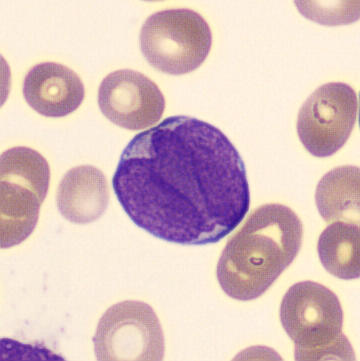
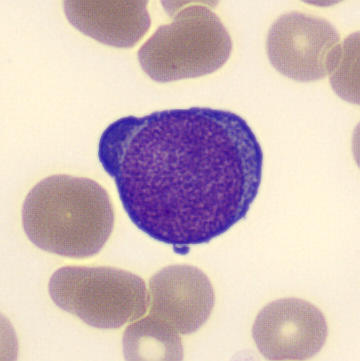
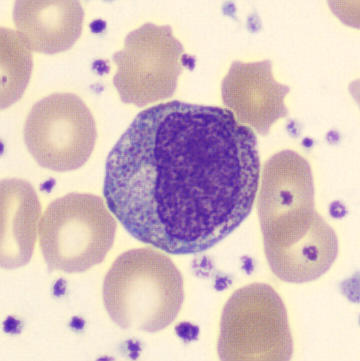
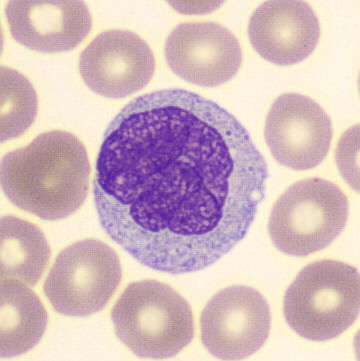
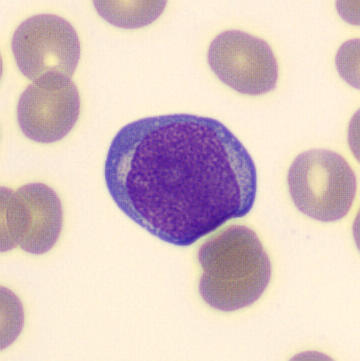
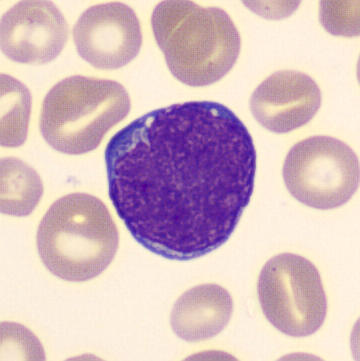
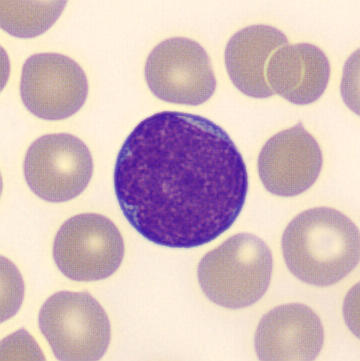
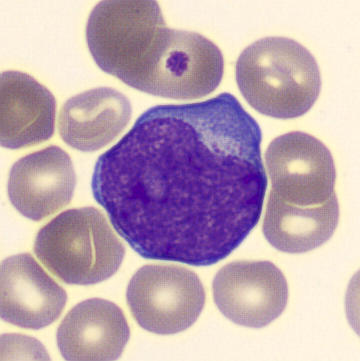
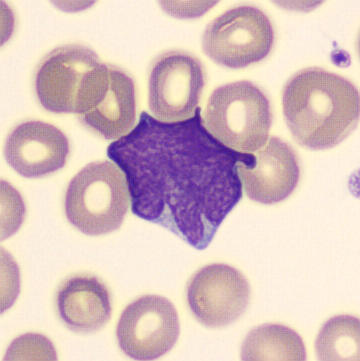
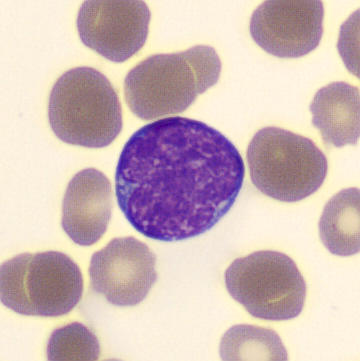
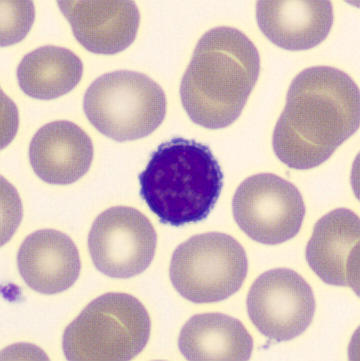
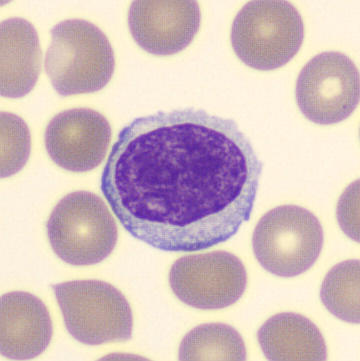
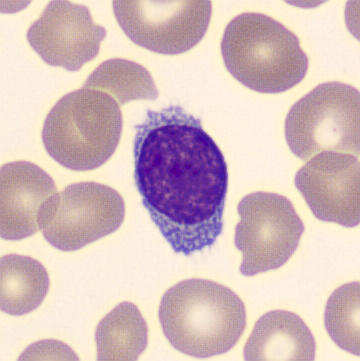
Lymphocytes
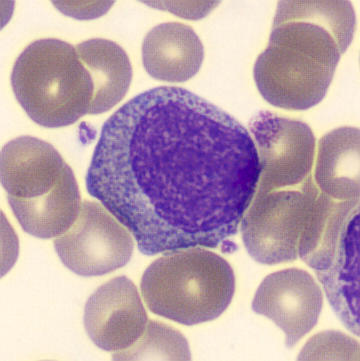
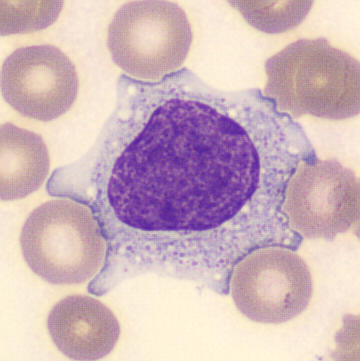
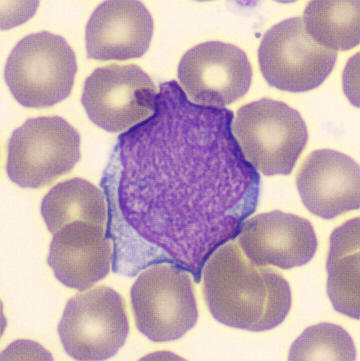
Monocytes
Neutrophils
Eosinophils
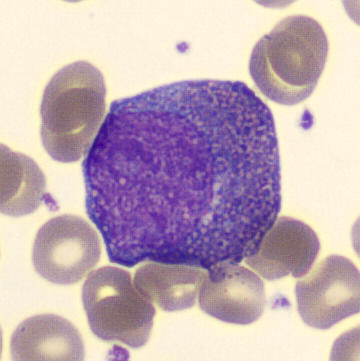
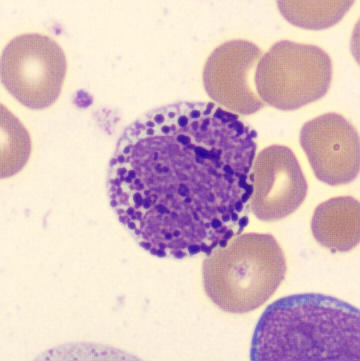
Basophils
Leukocytes
Basophils
NRBCs
Debris
Erythrocytes
Reticulocytes
RBC fragments
Platelets
immature platelets
Lymphocytes
Monocytes
Granulocytes
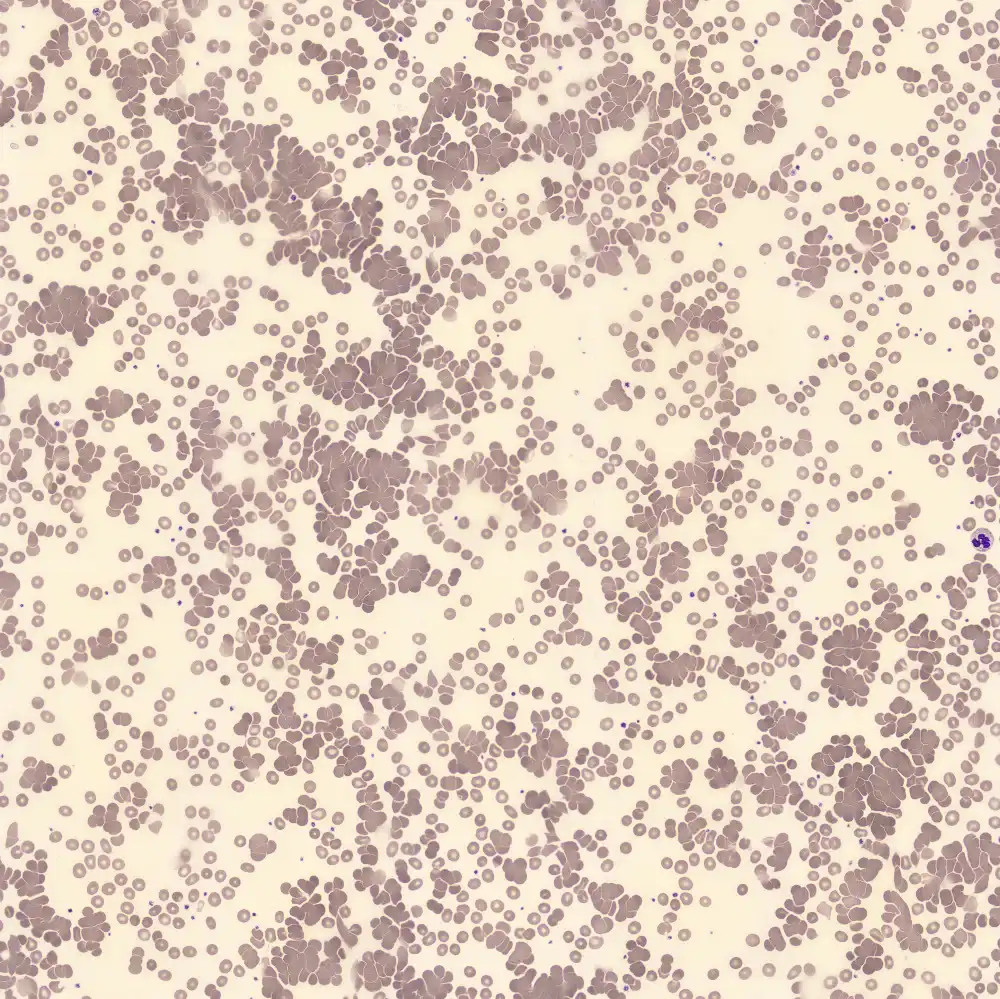
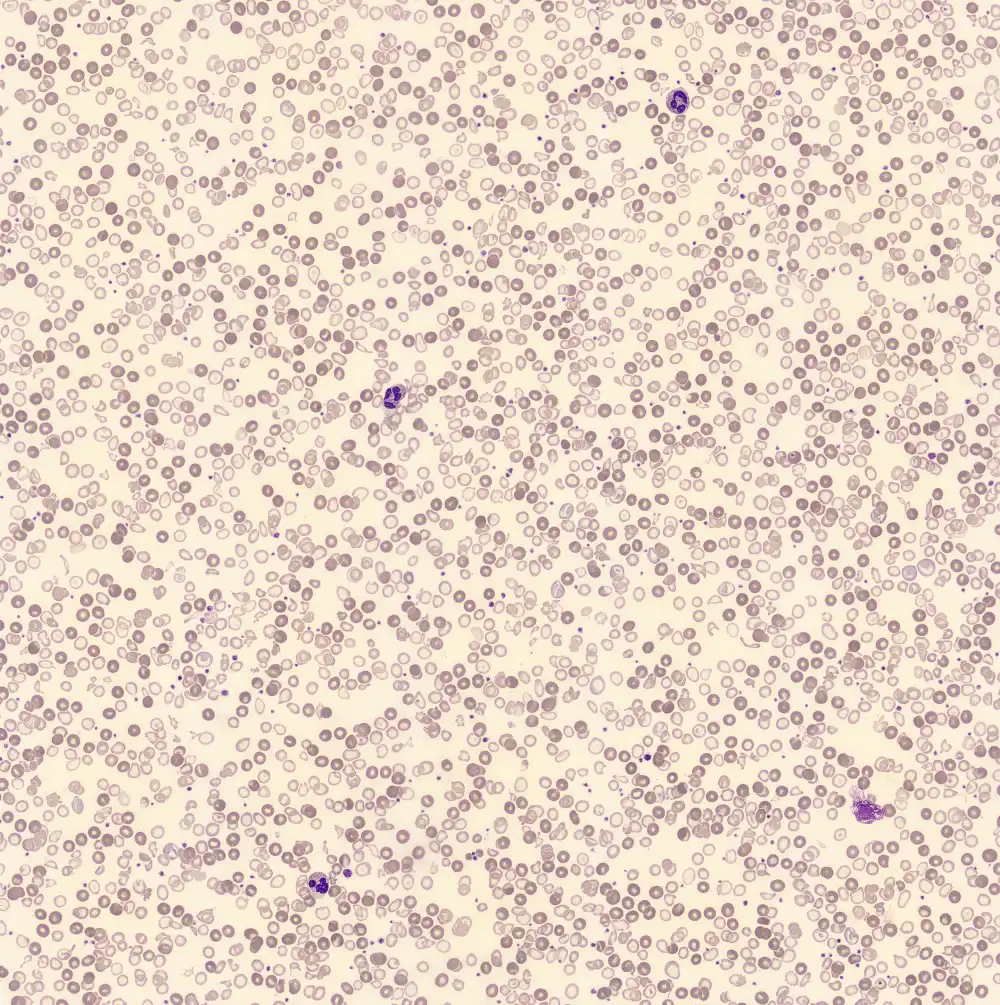
Peripheral blood

Sickle cells